
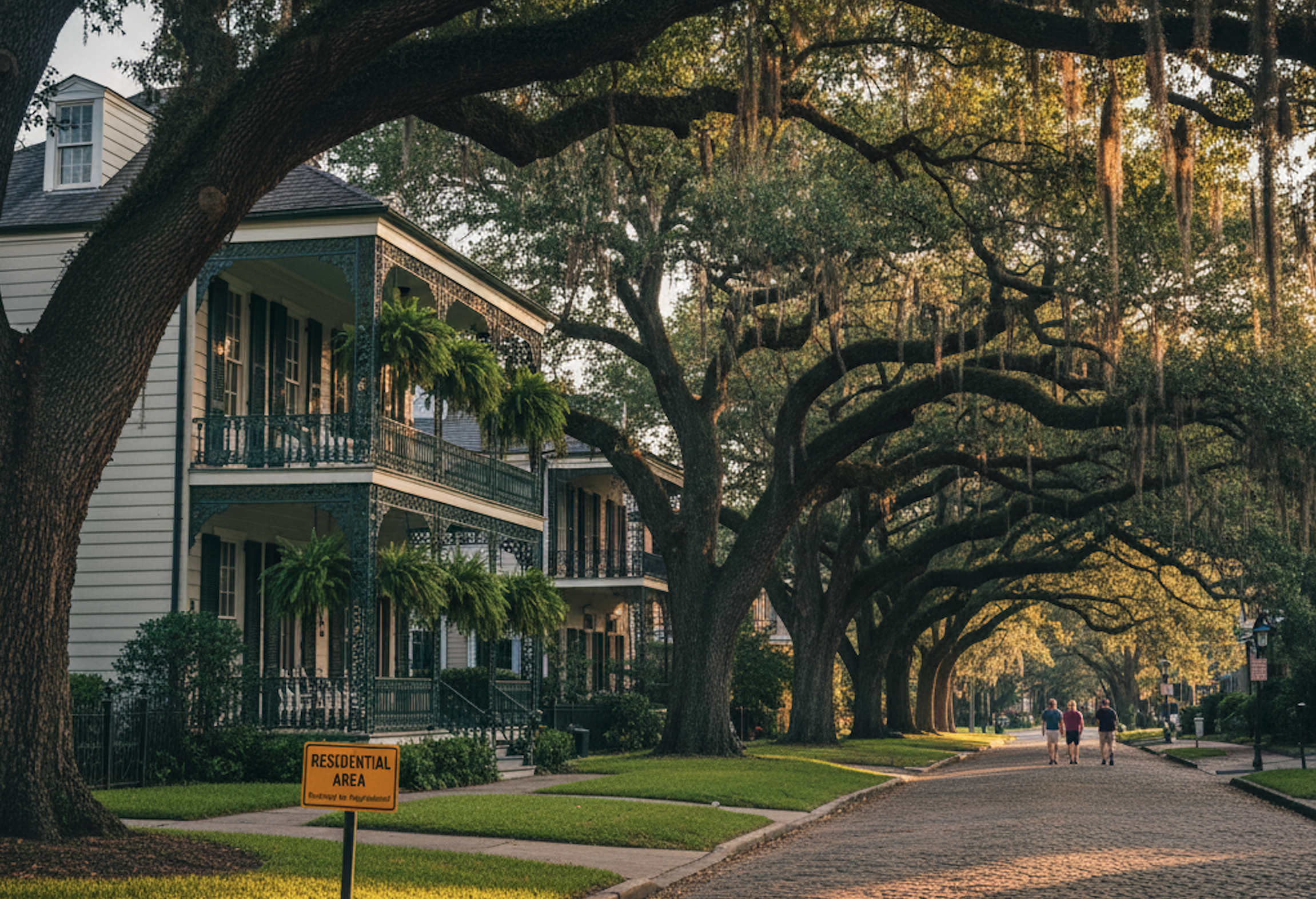
The Ruling That Rocked The Rental World
On September 8th, the fight was over. A federal judge in New Orleans delivered a knockout blow to Airbnb and a group of local hosts. Their lawsuit against the city’s tough new rental rules? Dismissed. Completely.
For years, a battle has raged in the Crescent City. On one side, residents and city leaders fighting to save their neighborhoods. On the other, a multi-billion-dollar industry. This time, the neighborhoods won. Judge Jay C. Zainey didn’t just side with the city; he dismissed the case “with prejudice.” That’s legal-speak for “don’t bring this back here again.”
The court made one thing crystal clear: owning a home does not give you a fundamental right to run it like a hotel. This single sentence changes everything, not just for New Orleans, but for every city in America struggling to manage short-term rentals.
The City’s Game-Changing Move
So, how did New Orleans pull this off? They got smart. After a previous rule was struck down in court, the city council, led by President JP Morrell, came back with a new plan. This plan had a secret weapon.
It was a simple but powerful mandate: Platforms like Airbnb and Vrbo must check for a valid city permit before anyone can book a stay.
For years, the city’s small enforcement team was overwhelmed, trying to track down thousands of illegal listings. The new rule flipped the script. It put the burden of enforcement right where it belongs: on the companies profiting from the rentals. Why are residents and underfunded city agencies the ones left to police a global industry? New Orleans decided they shouldn’t be. This new approach, now backed by a federal judge, provides a legal blueprint for other cities to follow.
A Tale of Two Realities
When I talk to people here, I hear two very different stories.
For City Council President Morrell and neighborhood groups like the Jane Place Neighborhood Sustainability Initiative, this is a “massive win for the residents of New Orleans.” They see it as a victory for affordable housing and the preservation of communities. They watched as long-term homes vanished, replaced by mini-hotels that drove up rents and pushed locals out. For them, this ruling is a lifeline.
But then I hear from the hosts. One person told me the city’s “never-ending onerous regulations have put our livelihood at risk.” In a city with soaring insurance costs and rising taxes, renting out a room isn’t just a business; for some, it’s a way to survive. Airbnb reported that the typical New Orleans host earned about $16,000 in 2023. For many, that’s the difference between staying in their home and being forced to sell. The new permit lottery system feels like a game of chance where the loser risks financial ruin.
The Great Delisting
The city didn’t have to wait for the judge’s ruling to see the rules work. The platform verification mandate kicked in on August 1, 2025. The result was immediate.
Overnight, illegal listings vanished. It was a digital purge.
Market watchers reported that over 1,000 unpermitted rentals disappeared from Airbnb in the first few weeks. In the historic Garden District, the number of active listings plummeted by 40%. This wasn’t just a policy on paper anymore; it was a real cleansing of the market, proving just how many rentals had been operating in the shadows.
A Warning Shot for Other Cities
This story is bigger than New Orleans. It’s a direct challenge to the way short-term rental platforms have operated for a decade.
Cities across the country, from New York to Dallas, are locked in similar legal fights. As we’ve covered before, New York’s crackdown showed how aggressive local laws can be. But the New Orleans ruling provides a powerful new legal shield for cities that want to hold platforms accountable.
The court validated a strategy that targets a platform’s actions—the processing of a booking—not its speech. This is a critical distinction that could neutralize one of the industry’s favorite legal defenses.
The question for communities across the country is no longer if they can regulate this industry. The question now is: will they have the courage to do what New Orleans did?


