
Key Takeaways
- Introduction: A Robust Comeback The short-term rental (STR) market in New York City recently experienced significant growth fueled by a robust recovery in tourism and business travel.
- All STR hosts must register their properties and obtain specific permits or licenses in compliance with city regulations.
- Conclusion: Embracing Change and Innovation New York’s STR market stands at an exciting crossroads—poised to capitalize on burgeoning demand while confronting substantial regulatory requirements.
- It works similarly to how airlines price flights.
Introduction: A Robust Comeback
The short-term rental (STR) market in New York City recently experienced significant growth fueled by a robust recovery in tourism and business travel. Unlike traditional hotel stays, STRs are uniquely positioned to cater to the evolving preferences of modern travelers seeking more personalized and immersive experiences. This trend seems set to continue, showcasing a dynamic adaptation to visitors’ demands and the city’s evolving landscape.
Market Trends: Seasonal Fluctuations and Popular Hotspots
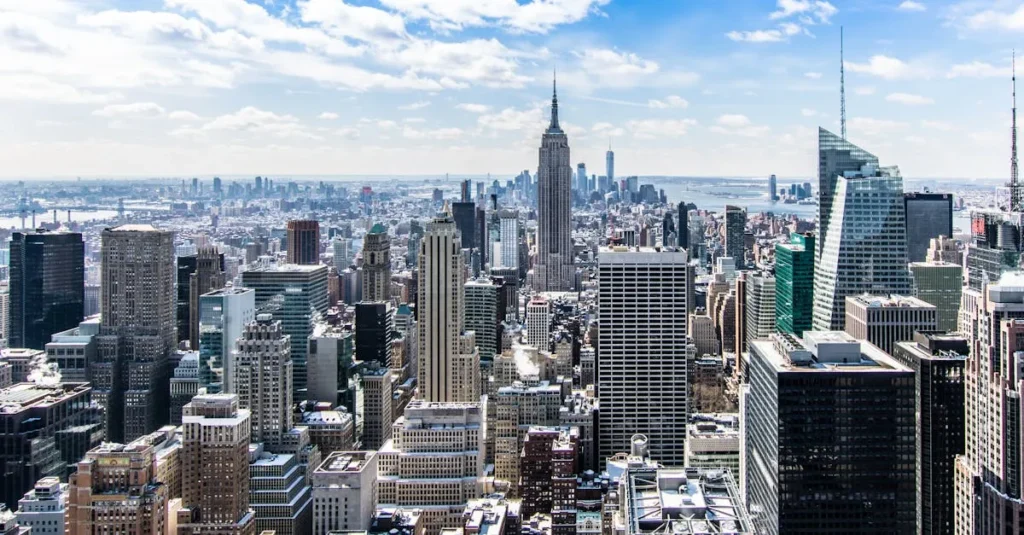
New York City’s STR market demonstrates seasonal patterns, peaking notably during the spring and fall because of favorable weather, alongside a surge during the holiday season due to the city’s globally celebrated festivities. Areas such as Manhattan, Brooklyn, and Long Island City in Queens continue to dominate the landscape with consistently higher demand and price points. However, emerging neighborhoods have begun to attract interest as affordable or alternative hotspots, balancing out the premium pricing of the traditionally favored areas.
Diverse Portfolio of Properties
The STR inventory in NYC offers a diversified accommodation portfolio ranging from contemporary high-rise apartments to quaint, historic brownstones and creatively converted lofts. Such diversification allows STR hosts to appeal to a broader demographic, covering visitors who frequent the city for both leisure and professional purposes.
Residential apartments and condominiums remain the staples, reflecting New York’s densely urban fabric. However, unique stays like boutique serviced apartments provide guests with authentic New York City experiences, meeting a growing demand for local lifestyle immersion.
Listings and Occupancy Insights
Platforms like Airbnb and Vrbo are popular among hosts and travelers alike, although Airbnb maintains the substantial share of the listings. Occupancy rates generally hover around a strong 70-80%, correlating highly with seasonal demand fluctuations. Pricing varies significantly, largely influenced by location, property specifics, and amenities provided—ranging anywhere from $150 per night for modest accommodations to upward of $400 per night at premium locations or exclusive property offerings.
Regulatory Environment: Navigating Legal Landscapes
New York City is notably stringent when it comes to short-term rental regulations, aiming to preserve long-term residential housing availability and maintain community integrity within residential neighborhoods. All STR hosts must register their properties and obtain specific permits or licenses in compliance with city regulations. Additionally, the days per year a property may serve as an STR are limited significantly in certain jurisdictions.
Hosts are also legally obliged to collect and remit occupancy taxes, reinforcing fiscal transparency and cooperation. Compliance further extends to mandatory safety checks and liability insurance to safeguard the guest experience.
STR Zoning and Restrictions
City regulations place limitations regarding the zoning and number of allowable STR units, specifically concentrating efforts to prevent residential housing stock from depleting excessively. STR operations are notably restricted or tightly regulated in some neighborhoods where housing availability and neighborhood preservation are prioritized. This imposes careful planning and strategy for STR hosts to maintain compliance while pursuing profitable opportunities.
Outlook and Strategies for Future Success
Looking ahead, New York City’s STR market is anticipated to grow continuously, propelled by an enduring global allure and increasingly diverse accommodation offerings. However, navigating the extensive regulatory landscape remains a critical challenge. Hosts who proactively adapt to compliance demands, utilize technology to manage operations effectively, and embrace sustainability are more likely to thrive.
Further market evolution will likely be driven by innovative technologies fostering seamless guest and host interactions, including advanced property management software and customer experience enhancement tools. Sustainable practices and eco-friendly accommodation options may also emerge as priority areas for future growth, appealing particularly to environmentally conscious travelers.
Conclusion: Embracing Change and Innovation
New York’s STR market stands at an exciting crossroads—poised to capitalize on burgeoning demand while confronting substantial regulatory requirements. Hosts who remain informed, compliant, and adaptable to market dynamics will undeniably lead in this continuously evolving accommodation landscape, contributing positively to the city’s economic vitality and dynamic hospitality offerings.
Want to know more? Visit NYC.gov to stay updated with the latest regulations and insights into New York City’s STR scene.
Frequently Asked Questions
Can I legally run an Airbnb in New York City?
NYC has some of the strictest STR laws in the country under Local Law 18. Hosts must register with the city, be physically present during all stays under 30 days, limit occupancy to two guests, and can only have one active listing. Renting an entire apartment for less than 30 days without the host present is illegal in most cases.
Why did New York City restrict Airbnb so heavily?
NYC restricted STRs primarily to protect housing supply in an already tight market and enforce existing residential zoning laws. Officials argued that thousands of apartments were being converted from long-term housing to tourist rentals, reducing available housing and driving up rents. The hotel industry also pushed for stricter enforcement, citing unfair competition.
What is dynamic pricing for Airbnb?
Dynamic pricing automatically adjusts your nightly rate based on demand signals including seasonality, local events, competitor pricing, day of week, and booking lead time. It works similarly to how airlines price flights. Tools like PriceLabs, Beyond Pricing, and Wheelhouse analyze millions of data points to recommend optimal rates for each night.
Which dynamic pricing tool is best for short-term rentals?
PriceLabs is widely regarded as the best value for most hosts, offering deep customization at around $20 per listing per month. Beyond Pricing is simpler but charges a percentage of revenue. Wheelhouse provides excellent analytics with a flat fee. DPGO is the newest option with competitive pricing. The best choice depends on your portfolio size and how hands-on you want to be with rate adjustments.
Do I need a permit to operate a short-term rental?
Most cities and counties require some form of permit, license, or registration to operate a short-term rental legally. Requirements vary significantly by jurisdiction, so check your local government website or contact your city clerk before listing your property. Operating without required permits can result in fines ranging from several hundred to several thousand dollars per violation.