Key Takeaways
- Understanding the Rising Popularity of Short-Term Rentals in San Antonio As of early 2024, the short-term rental (STR) market in San Antonio, TX, is thriving, demonstrating remarkable resilience following the pandemic slowdown.
- Robust Property Types to Meet Diverse Needs San Antonio’s STR market offers diverse accommodation types: Houses: Preferred by families and groups, with ample space.
- Frequently Asked Questions Is San Antonio good for short-term rental investing?
- Requirements vary significantly by jurisdiction, so check your local government website or contact your city clerk before listing your property.
Understanding the Rising Popularity of Short-Term Rentals in San Antonio
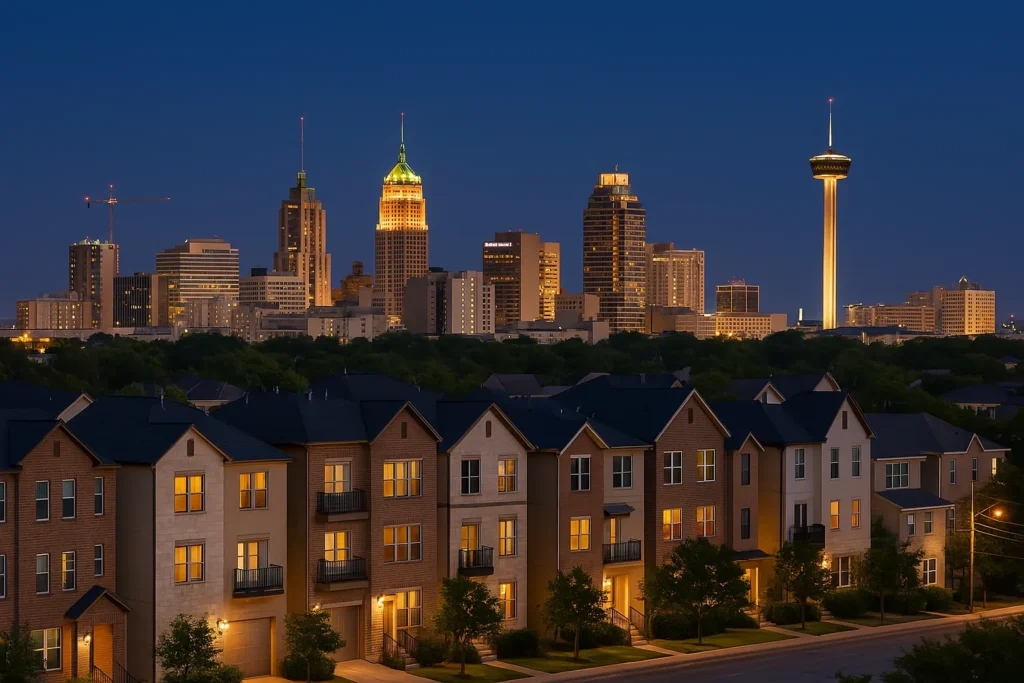
As of early 2024, the short-term rental (STR) market in San Antonio, TX, is thriving, demonstrating remarkable resilience following the pandemic slowdown. With approximately 3,500 to 4,000 active listings on leading platforms like Airbnb and Vrbo, this dynamic market is showing robust signs of growth, driven by the city’s popularity as a tourist destination rich in history, culture, and recreational opportunities.
A Resilient Market with Strong Demand
San Antonio’s strong rebound is primarily propelled by a surge in both domestic and international tourism, with visitors favoring the flexibility and comfort of STRs over traditional lodging options. The overall occupancy rate currently hovers around 64%, reflecting steady market interest. Average nightly prices in the city range from $150 to $250, varying significantly based on property type, amenities, and proximity to key attractions.
Areas Experiencing High Demand
The historic district, Alamo Heights, and the River Walk remain prime hotspots, largely due to their proximity to famous attractions, dining, and entertainment hubs. Recently, emerging suburban neighborhoods have also started attracting a younger demographic seeking alternative accommodation options.
Seasonality Shapes the Market
Similar to other tourist-centric cities, San Antonio experiences seasonal fluctuations. Market peaks coincide with major events such as Fiesta San Antonio, the annual San Antonio Stock Show & Rodeo, and lively summer travel periods. Conversely, there is a predictable downturn during the winter holiday season, as fewer tourists visit the area.
Robust Property Types to Meet Diverse Needs
San Antonio’s STR market offers diverse accommodation types:
- Houses: Preferred by families and groups, with ample space.
- Apartments: Ideal for solo travelers or couples looking for cost-effective, cozy accommodations.
- Unique Stays: Including tiny homes, historic homes, and other special options catering to niche market segments.
Navigating Regulatory Challenges
The city of San Antonio has implemented clear regulatory measures to govern the STR market, focusing on sustainable growth and community harmony. Hosts must acquire operational licenses involving registration fees and compliance with local zoning ordinances. Additionally, San Antonio requires STR hosts to collect and remit hotel occupancy taxes, contributing significantly to local revenues.
While currently there is no set cap on STR properties citywide, restrictions apply in specific residential zones, compelling operators to stay compliant with neighborhood regulations to avoid penalties and ensure smooth business operations.
Conclusion and Future Outlook
The current San Antonio STR market indicates a healthy outlook, characterized by resilient demand, strategic location preferences, and a balanced regulatory environment. Continued monitoring of local tourism trends and adherence to municipal guidelines remain vital for ongoing success in this exciting and dynamic market segment.
For further details on short-term rental regulations and compliance requirements in San Antonio, please visit the city’s official webpage: San Antonio Short-Term Rental Regulations.
Frequently Asked Questions
Is San Antonio good for short-term rental investing?
San Antonio is one of the more STR-friendly major Texas cities with consistent year-round demand driven by the Alamo, River Walk, military bases, and convention traffic. Property prices remain affordable relative to other Texas metros, supporting strong investment returns. The best STR areas include downtown, Southtown, the Pearl district, and neighborhoods near major attractions.
What are the Airbnb regulations in San Antonio?
San Antonio requires STR operators to register with the city and collect local hotel occupancy taxes. The regulations are generally less restrictive than Austin, though some neighborhoods have additional restrictions through HOAs. The city distinguishes between owner-occupied and non-owner-occupied properties, with both types currently allowed in most areas.
Do I need a permit to operate a short-term rental?
Most cities and counties require some form of permit, license, or registration to operate a short-term rental legally. Requirements vary significantly by jurisdiction, so check your local government website or contact your city clerk before listing your property. Operating without required permits can result in fines ranging from several hundred to several thousand dollars per violation.
How do I find the STR regulations for my area?
Start by searching your city or county government website for short-term rental or vacation rental ordinances. Many municipalities have a dedicated STR registration page with application forms and requirements. You can also contact your local planning department directly or consult with a real estate attorney who practices in your area.
What is the short-term rental tax loophole?
The STR tax loophole allows property owners who materially participate in managing their short-term rental to deduct losses against active income like W-2 wages. This works because rentals with an average guest stay of seven days or fewer are not classified as passive rental activities under IRS rules. It is one of the most powerful tax strategies available to real estate investors.