

Key Takeaways
- Hello, I’m Meredith Lane, digging into how the short-term rental world affects you and your neighborhood.
- Hard Choices for Hosts This sounds good for guests, right?
- Airbnb says these changes are about trust and transparency.
- PriceLabs is widely regarded as the best value for most hosts, offering deep customization at around $20 per listing per month.
Hello, I’m Meredith Lane, digging into how the short-term rental world affects you and your neighborhood. This week, a big change hit Airbnb. It might look like a win for travelers, but let’s pull back the curtain.
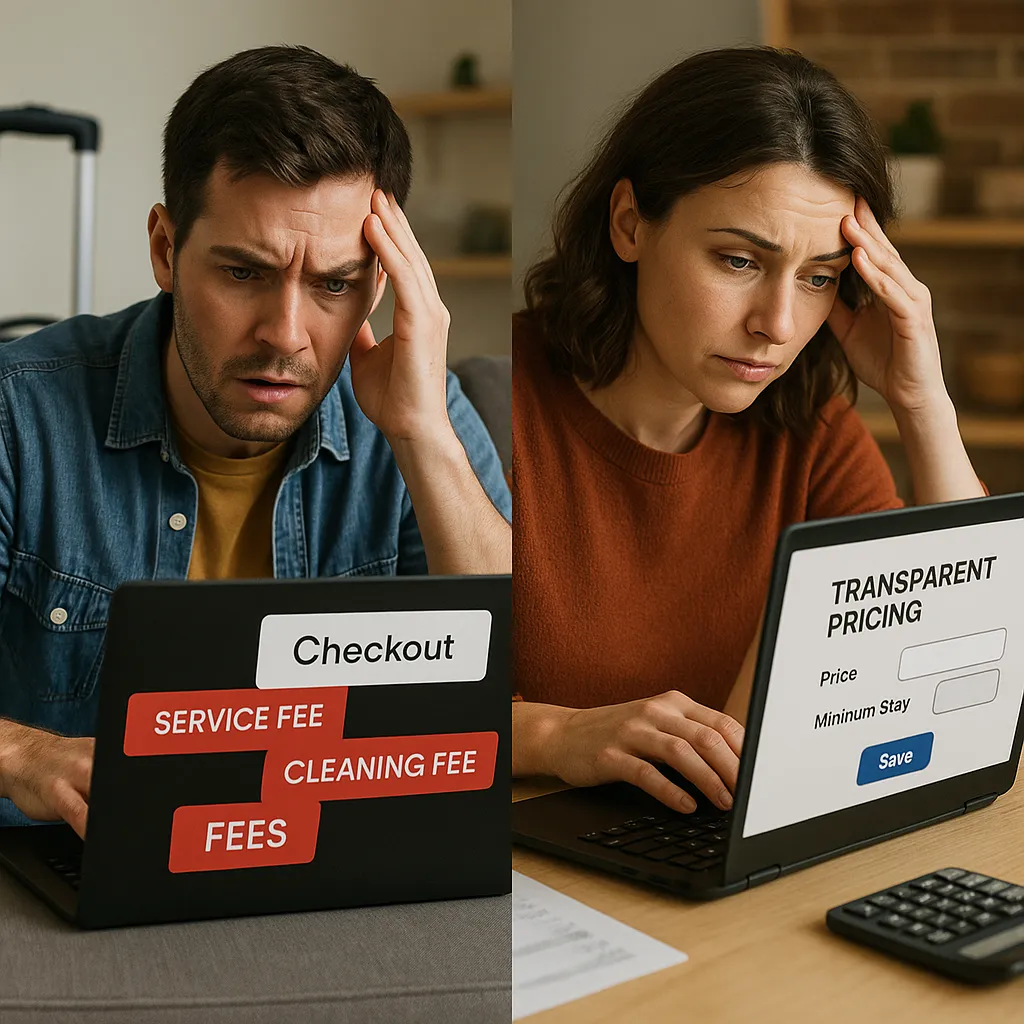
What’s New? Seeing the Real Cost Upfront
Starting April 21, 2025, Airbnb changed how you see prices. Everywhere in the world, when you search for a place, you’ll now see the total price right away. This includes the nightly rate, those often-surprising cleaning fees, and Airbnb’s own service fee. Just remember, taxes still get added at the very end, before you pay.
For years, you might have clicked on a rental thinking it was a bargain, only to find the price jump way up at checkout because of extra fees. Airbnb had an option to show the total price before, but now it’s the standard way for everyone, everywhere. No more toggle switch.
Why Did Airbnb Do This? Pressure and Problems
So, why the change now? Well, it wasn’t just out of the blue.
First, people were getting fed up. Lots of travelers complained online about feeling tricked by hidden fees, especially cleaning charges that seemed way too high. Seeing one price and then having to pay much more felt like a bait-and-switch.
Second, governments are stepping in. Rules in Europe already demanded clearer pricing. And here in the U.S., the government finalized the “Junk Fees Rule” late last year. This rule pushes companies across the board to show the full price upfront. It seems Airbnb decided to get ahead of being forced into it everywhere. They say millions of guests used the old optional total price toggle, showing people wanted this clarity.
Hard Choices for Hosts
This sounds good for guests, right? Maybe. But think about the hosts – the people renting out their homes. This change forces them into tough spots.
Suddenly, that high cleaning fee makes their listing look much more expensive in search results compared to others, or even hotels. And guess what? Airbnb’s search ranking looks at the total price. So, a place with high fees might get pushed down the list, meaning fewer people see it.
What can hosts do? They might have to bury the cleaning fee into the nightly rate. That makes the fee look smaller, but the nightly price looks higher. Or maybe they offer discounts for longer stays to make the total price seem more reasonable. But isn’t it shifting the problem around, rather than solving it? And who helps the small hosts figure this out?
Airbnb Tightens Its Grip: Keep Fees on the Platform
At the same time, Airbnb dropped another rule change, starting May 10, 2025. This one tells hosts, especially those using software to manage their listings, that they MUST charge nearly all mandatory fees through Airbnb.
Want to charge a cleaning fee? Pet fee? Management fee? It has to go through Airbnb’s system and be part of that total price you see. If there isn’t a special spot for a fee Airbnb requires, hosts are told to add it into the nightly price itself.
Collecting extra money off the platform? That’s now mostly forbidden. Only a few exceptions exist, like maybe a resort fee, and even then, it must be clearly listed on Airbnb. Why this strict control? Is it just about transparency, or is it about Airbnb controlling every dollar?
Is This Really Just About Being Honest?
Airbnb says these changes are about trust and transparency. Showing the total price upfront is definitely clearer for guests. And by making these changes worldwide before rules perhaps forced them, Airbnb looks like a leader. It also puts pressure on its competitors, like Vrbo, to do the same.
But let’s be real. This is also about control. By forcing almost all fees onto its platform, Airbnb gets a clearer picture of all the money changing hands. It stops hosts from handling fees separately. Could this be setting the stage for Airbnb to offer more services itself, taking a cut along the way?
And while guests get clarity, hosts get headaches. They now have to juggle pricing strategies, worry about search rankings, and explain these changes to property owners who might see their bookings dip. It adds work and stress, especially for smaller operators just trying to make ends meet.
So, yes, you see the total price now. But as these platforms get bigger and rules get tighter, we have to keep asking: Who benefits most, and who is left carrying the weight?
Frequently Asked Questions
What is dynamic pricing for Airbnb?
Dynamic pricing automatically adjusts your nightly rate based on demand signals including seasonality, local events, competitor pricing, day of week, and booking lead time. It works similarly to how airlines price flights. Tools like PriceLabs, Beyond Pricing, and Wheelhouse analyze millions of data points to recommend optimal rates for each night.
Which dynamic pricing tool is best for short-term rentals?
PriceLabs is widely regarded as the best value for most hosts, offering deep customization at around $20 per listing per month. Beyond Pricing is simpler but charges a percentage of revenue. Wheelhouse provides excellent analytics with a flat fee. DPGO is the newest option with competitive pricing. The best choice depends on your portfolio size and how hands-on you want to be with rate adjustments.
Do I need a permit to operate a short-term rental?
Most cities and counties require some form of permit, license, or registration to operate a short-term rental legally. Requirements vary significantly by jurisdiction, so check your local government website or contact your city clerk before listing your property. Operating without required permits can result in fines ranging from several hundred to several thousand dollars per violation.
How do I find the STR regulations for my area?
Start by searching your city or county government website for short-term rental or vacation rental ordinances. Many municipalities have a dedicated STR registration page with application forms and requirements. You can also contact your local planning department directly or consult with a real estate attorney who practices in your area.
What is the short-term rental tax loophole?
The STR tax loophole allows property owners who materially participate in managing their short-term rental to deduct losses against active income like W-2 wages. This works because rentals with an average guest stay of seven days or fewer are not classified as passive rental activities under IRS rules. It is one of the most powerful tax strategies available to real estate investors.