Key Takeaways
- Imagine waking up to new rules on your biggest investment For thousands of short-term rental (STR) hosts, that’s precisely the scenario unfolding as several major U.S.
- (This effectively means investors can’t turn whole neighborhoods into de facto hotels.) Transparency Provisions: Hosting platforms are compelled to share listing data with regulators.
- [^1]: For further reading, see “City of Boston v.
- An LLC provides important personal liability protection by separating your rental business from your personal assets.
Imagine waking up to new rules on your biggest investment
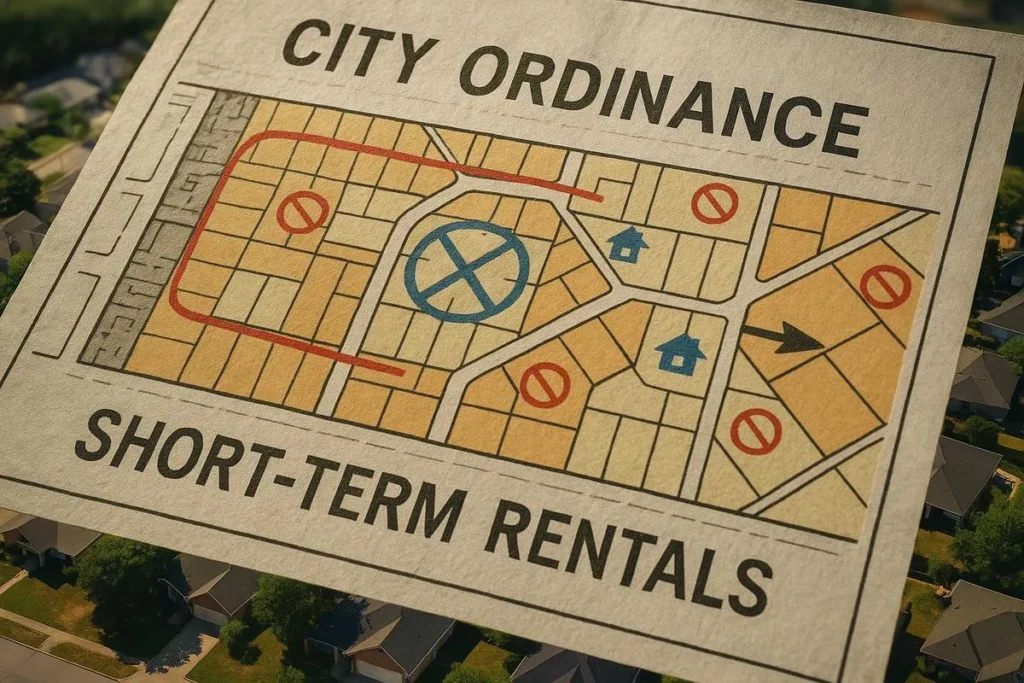
For thousands of short-term rental (STR) hosts, that’s precisely the scenario unfolding as several major U.S. cities roll out updated regulations for 2024. These rules—ranging from tighter licensing to limits on how many days per year you can rent a property—reflect an evolving national debate: how do we encourage economic innovation without destabilizing housing markets or community cohesion?
What’s Motivating This Regulatory Wave?
At the heart of the new ordinances is a familiar tension: cities want to support tourism and gig-economy entrepreneurship, but mounting worries about neighborhood disruption and rising rents have forced action. In my experience, having pored over countless city council agendas, this pattern is almost inevitable when STR proliferation intersects with affordability concerns. Municipal leaders are responding to:
- Housing Supply Pressure: Critics argue rampant STRs remove valuable long-term housing, worsening shortages.
- Neighborhood Stability: Frequent turnover of transient guests can change the character of residential areas.
- Public Calls for Clarity: Ambiguous or poorly enforced rules benefit no one—least of all responsible operators looking for predictability.
Key Features of the New Rules
While the specifics vary by city, I’ve noted these major trends across the latest regulations:
- Stricter Licensing and Registration:
- Mandatory registration with annual renewals, plus fines for non-compliance.
- Rental Day Caps:
- Some cities are imposing hard limits—anywhere from 60 to 180 days a year.
- “Primary Residence” Requirements:
- In many cases, you must live in the property to list it short-term. (This effectively means investors can’t turn whole neighborhoods into de facto hotels.)
- Transparency Provisions:
- Hosting platforms are compelled to share listing data with regulators.
These approaches ensure cities regain a level of monitoring that, for years, lagged behind rapid STR expansion. Yet, as always, the law is a slow-moving barge catching up to a nimble speedboat (the rental market).
Legal and Practical Implications
For hosts and investors, several issues warrant close attention:
- Increased Compliance Costs: Application fees, licensing, reporting obligations, and new insurance requirements can add up quickly.
- Uncertain Investment Landscape: Stricter caps particularly challenge those who purchased homes intending full-time short-term rentals, especially in high-demand urban cores.
- Due Process and Enforcement: Cities are refining procedures to address illegal listings fairly, but due process concerns remain if enforcement accelerates too rapidly or unevenly.
On the flip side, housing advocates point out that these rules are a (potentially overdue) reassertion of community priorities—and could open doors for more residents to access affordable housing again.
What It Means for the Broader STR Ecosystem
Here’s my legal bottom line: We are witnessing a reset moment. The regulatory pendulum, long swinging toward laissez-faire innovation, is correcting in favor of predictability and protection for neighborhoods. Lawsuits and pilot programs will follow, and no two cities will land in the same place. But if you’re a property owner, now is the time to:
- Review your city’s new ordinances in detail (or let a tool like StaySTRa Analyzer do the heavy lifting);
- Rethink investment models that depend on non-owner occupancy;
- Track possible legal challenges, as courts will soon test the boundaries of these new regulations.[^1]
One certainty remains: STR laws will continue to reflect the evolving push and pull between economic opportunity and community stability. Hosts, investors, and residents alike should remain vigilant—because today’s pilot program could be tomorrow’s permanent rule.
[^1]: For further reading, see “City of Boston v. Airbnb, Inc., 386 F. Supp. 3d 113 (D. Mass. 2019),” which explores the city’s authority to require platforms to share data and delist unregistered rentals.
Stay informed—subscribe to the StaySTRa Insider for the latest updates on legal developments, data trends, and actionable strategies for STR success.
Frequently Asked Questions
Do I need a permit to operate a short-term rental?
Most cities and counties require some form of permit, license, or registration to operate a short-term rental legally. Requirements vary significantly by jurisdiction, so check your local government website or contact your city clerk before listing your property. Operating without required permits can result in fines ranging from several hundred to several thousand dollars per violation.
How do I find the STR regulations for my area?
Start by searching your city or county government website for short-term rental or vacation rental ordinances. Many municipalities have a dedicated STR registration page with application forms and requirements. You can also contact your local planning department directly or consult with a real estate attorney who practices in your area.
Do I need an LLC for my short-term rental?
An LLC provides important personal liability protection by separating your rental business from your personal assets. If a guest is injured or files a lawsuit, an LLC limits exposure to the assets within that entity. Most real estate attorneys recommend forming an LLC before your first guest checks in, especially given the higher liability exposure of short-term rentals compared to long-term.
What is a Series LLC and is it good for rental investors?
A Series LLC creates separate compartments under one parent entity, each with its own asset protection. This means a lawsuit against one property cannot reach your other properties. Texas, Delaware, and several other states recognize Series LLCs. They are increasingly popular with multi-property investors because they provide individual protection without the cost of forming a separate LLC for each property.
Do short-term rentals drive up housing prices?
Research shows STRs have a measurable but relatively small impact on housing prices, typically estimated at 1% to 3% in most markets. The effect is more pronounced in small communities with limited housing supply. Other factors like construction costs, interest rates, zoning restrictions, and institutional investment have a much larger impact on housing affordability.
Become a StaySTRA Insider
Join free — get our newsletter + 1 free property analysis/month.
No spam. Unsubscribe anytime. Free membership includes property analyses and market insights.