Key Takeaways
- The news coming out of the Texas Hill Country since July 4th has been nothing short of devastating.
- We are inviting people who are experts in navigating subways and traffic into a world where the dangers are wind, water, fire, and wildlife.
- Flashlights, batteries, a first-aid kit, and a weather radio are not amenities; they are safety necessities when you are miles from the nearest town.
- Include a clear no-fireworks policy in your house rules, rental agreement, and automated check-in messages.
The news coming out of the Texas Hill Country since July 4th has been nothing short of devastating. A holiday weekend of celebration turned into a fight for survival against raging floodwaters. As we watch the stories of loss and heroism unfold, it’s impossible not to feel a deep sense of sorrow for everyone affected.
This tragedy, however, forces a conversation our industry must have. It’s a raw, uncomfortable conversation, and it’s not about pointing fingers. It is about looking in the mirror. Reports indicate that many of the people caught in the most dangerous situations were tourists, staying in vacation homes, on land they didn’t know.
This disaster has pulled back the curtain on a fundamental truth: we are renting out more than just houses. We are renting out experiences in environments that many of our guests do not understand.
From Concrete Sidewalks to Creek Beds
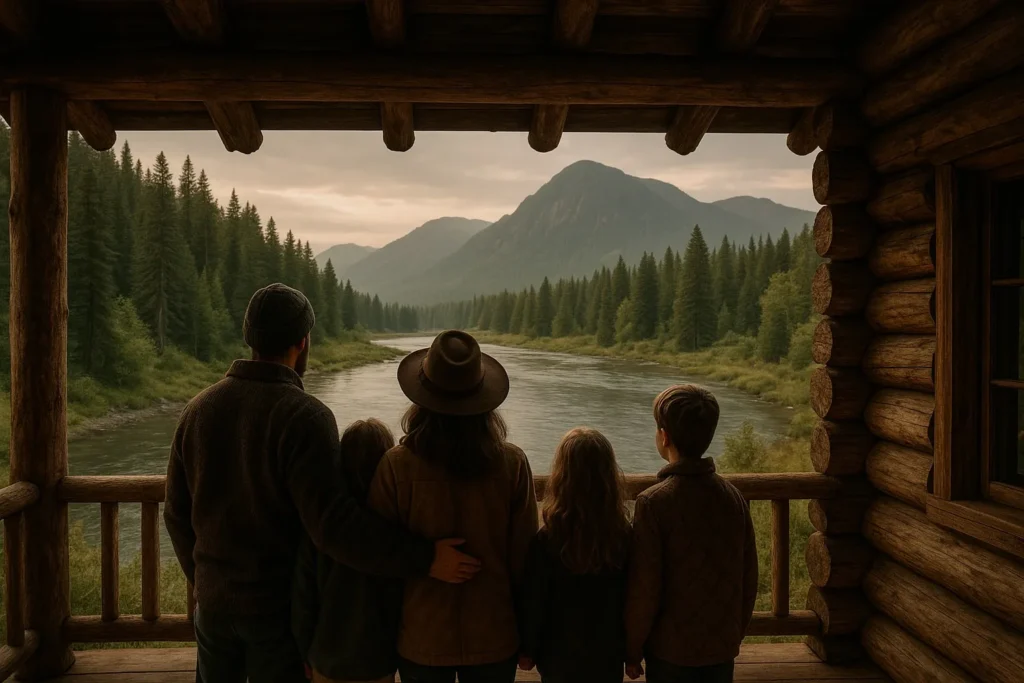
Think about who often books a secluded cabin or a riverside retreat. It’s someone from the city or the suburbs, seeking quiet and a connection to nature. They want to escape their routine. They want to show their children a star-filled sky.
But their world is one of pavement, streetlights, and predictable public services. They may not know the difference between a gentle creek and a flash flood alley. They may not understand that a burn ban is a critical fire prevention tool, not just a suggestion. We are inviting people who are experts in navigating subways and traffic into a world where the dangers are wind, water, fire, and wildlife.
How can we expect a guest who has never built a campfire to know how to safely extinguish it to prevent a wildfire? Or a family who has only ever boated on a tame city lake to understand the power of a river current? The simple answer is: we can’t.
More Than a Host, Be a Guide
Our responsibility doesn’t end with providing a key code and clean towels. When we rent a property in a natural setting, we must also accept the role of a guide, a shepherd. It’s about offering gentle nudges and simple instructions that can make the difference between a memorable vacation and a preventable accident.
This isn’t about being patronizing. It’s about being prepared. Here are simple, practical things we can all do:
- The “Read Me First” Emergency Page: On the fridge, not buried in a drawer. This laminated sheet should have the 911 address, emergency contacts, and simple instructions for signing up for local emergency alerts.
- Know Your Zone: Include a clear statement on the emergency page. For example: “This home is in a flash flood area. If you receive a flood warning, evacuate immediately.” Or, “This area is at high risk for wildfires. Please check the current burn ban status before using the fire pit.”
- Create “Safety One-Sheets”: For every activity you offer, provide a simple, friendly guide.
- Campfire Safety: A checklist on how to build a fire, the rule to never leave it unattended, and exactly how to douse it with water until it’s cold.
- Water Safety: If you offer canoes or kayaks, include tips like “always wear a life vest” and “check water levels before you go.”
- Hiking Tips: A small map of your property, with reminders to stay on trails and watch for snakes or other wildlife.
- Equip for the Unexpected: A basic emergency kit is essential. Flashlights, batteries, a first-aid kit, and a weather radio are not amenities; they are safety necessities when you are miles from the nearest town.
A Duty of Care
The Hill Country flood was a catastrophic event. But it serves as a powerful wake-up call for every host, whether your risk is flooding, fires, or blizzards. We are in a position of trust. Our guests rely on our local knowledge, even if they don’t know it.
Providing these tools isn’t a burden; it is a fundamental duty of care. It protects our guests, our properties, and the communities we love. As we move forward, we must ask ourselves a simple question: Am I giving my guests the information they need not just to enjoy their stay, but to survive it?
This conversation is just the beginning. The issues of guest safety, community impact, and responsible hosting are too important to ignore.
If you found this report helpful, consider joining our mailing list. I’ll deliver my latest investigative findings and community impact stories directly to your inbox. No fluff—just the facts and the hard questions we need to be asking to build a safer, more accountable industry.
Stay informed. Join the list below.
Frequently Asked Questions
What technology do STR hosts need for the World Cup?
Prepare with a reliable property management system that handles high booking volume, a dynamic pricing tool with event-date features, smart locks for frequent guest turnovers, and automated messaging in multiple languages. Consider adding a noise monitoring device and a language translation tool for guest communication, as many World Cup visitors will be international travelers.
How do I prevent guests from setting off fireworks at my rental?
Include a clear no-fireworks policy in your house rules, rental agreement, and automated check-in messages. Post visible signage on the property. Noise monitoring devices can alert you to late-night disturbances. Consider blocking holiday dates like July 4th for high-risk bookings or requiring longer minimum stays that attract families over party groups.
Am I liable if a guest uses fireworks at my vacation rental?
Property owners can face liability if guests use fireworks and someone is injured, especially if local ordinances prohibit them and the owner failed to enforce rules. Having a clear written policy, appropriate insurance coverage, and documented enforcement efforts helps protect you legally. Check your local laws, as fireworks regulations vary significantly by jurisdiction.
Do I need a permit to operate a short-term rental?
Most cities and counties require some form of permit, license, or registration to operate a short-term rental legally. Requirements vary significantly by jurisdiction, so check your local government website or contact your city clerk before listing your property. Operating without required permits can result in fines ranging from several hundred to several thousand dollars per violation.
How do I find the STR regulations for my area?
Start by searching your city or county government website for short-term rental or vacation rental ordinances. Many municipalities have a dedicated STR registration page with application forms and requirements. You can also contact your local planning department directly or consult with a real estate attorney who practices in your area.
Become a StaySTRA Insider
Join free — get our newsletter + 1 free property analysis/month.
No spam. Unsubscribe anytime. Free membership includes property analyses and market insights.