Key Takeaways
- Airbnb banned all indoor security cameras globally on April 30, 2024, but enforcement depends almost entirely on guests discovering and reporting violations themselves.
- A CNN investigation found Airbnb generated 35,000 customer support tickets about surveillance devices over a decade, and the company does not notify law enforcement as standard practice when guests report hidden cameras.
- Hidden cameras in rental properties are criminal offenses in most states, with Florida treating first offenses as third-degree felonies and California imposing up to six months in jail.
- Guests who discover a hidden camera should document the device, call local police before contacting Airbnb, and report to the platform within 72 hours to preserve refund eligibility.
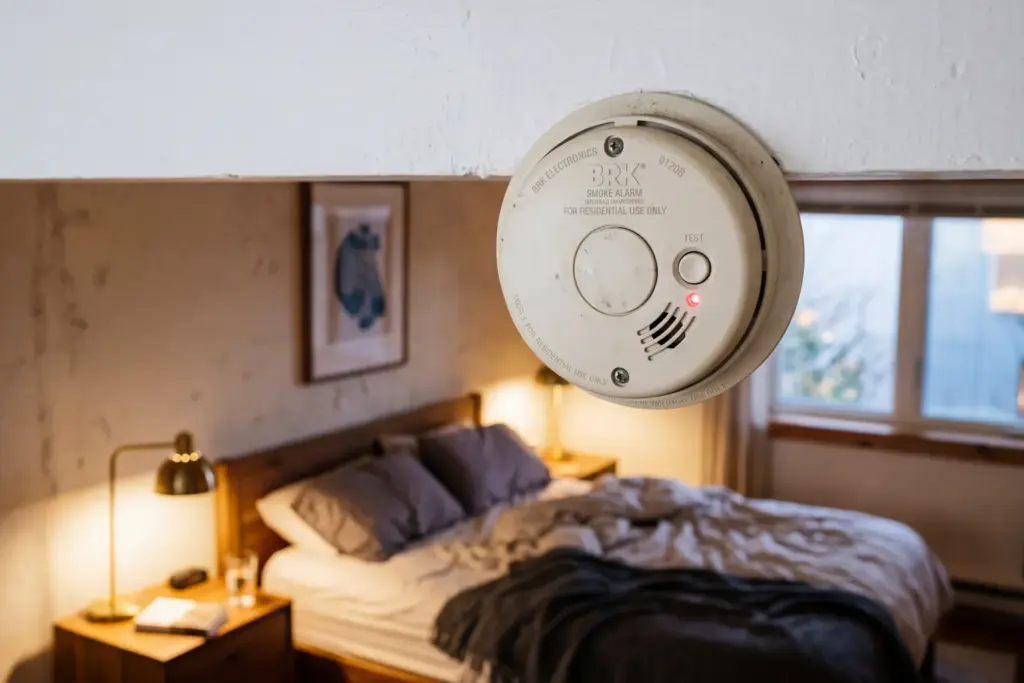
A family visiting Scottsdale for spring training in March 2024 looked up at the smoke detector above their bed and noticed something wrong. A tiny camera lens was staring back at them. They called the police. They called Airbnb. They eventually called a lawyer.
Their experience is not rare. And what happened next reveals the gap between what Airbnb promises about surveillance and what guests actually face when they find a camera that should not be there.
What Airbnb’s Camera Policy Actually Says
Airbnb updated its security camera policy on March 11, 2024, with a full ban taking effect on April 30, 2024. The new rules are significantly stricter than the previous version, which allowed indoor cameras in common areas as long as hosts disclosed them and kept them visible.
The current policy is blunt on indoor cameras: “Hosts are not allowed to have security cameras and recording devices that monitor any part of a home’s interior, such as the hallway, bedroom, bathroom, living room, or guest house, even if they’re turned off or disconnected.”
Hidden cameras are described as “strictly prohibited.”
The policy does carve out exceptions. Exterior security cameras remain permitted on the platform, but hosts must disclose their presence and specific location in the listing description before a guest books. Cameras positioned to see into interior spaces or private outdoor areas like enclosed showers or saunas are banned regardless of placement.
Noise decibel monitors, which measure sound levels without recording actual audio, are permitted in common areas but banned in bedrooms, bathrooms, and sleeping areas. Smart home devices like Amazon Alexa and Google Nest are allowed with disclosure encouraged but not required.
Juniper Downs, Airbnb’s Head of Community Policy and Partnerships, framed the update this way: “Our goal was to create new, clear rules that provide our community with greater clarity about what to expect on Airbnb.”
Where the Policy Has Gaps
The language sounds comprehensive. The enforcement mechanism does not match it.
Airbnb does not inspect properties. There is no verification process to confirm that a host has removed indoor cameras or that disclosed exterior cameras are positioned where the listing says they are. Compliance is self-reported. Violations are discovered only when a guest happens to notice something and takes action.
The disclosure requirement for exterior cameras is similarly unverified. A host can state that a camera covers the front porch. Whether it also captures the hot tub, the pool area, or a bedroom window is something only an on-site guest would know.
When the Policy Fails
In July 2024, CNN published an investigation that pulled back the curtain on how Airbnb handles hidden camera complaints. Documents show the company generated 35,000 customer support tickets related to surveillance devices between 2013 and 2023, according to testimony from an Airbnb investigations employee.
That number comes with a caveat. Airbnb declined to specify how many of those tickets represented unique complaints versus follow-ups on existing cases. The company stated that less than 0.1% of global stays involved safety reports of any kind.
What CNN found about Airbnb’s response process was more troubling than the raw numbers.
The Notification Problem
When a guest reports a hidden camera, Airbnb does not notify law enforcement as a matter of practice. Not even when the footage captured children. Instead, the company may contact the host as part of its internal inquiry. Law enforcement experts told CNN this approach risks giving suspects time to destroy evidence before police can investigate.
This pattern played out in real cases. In Hocking Hills, Ohio, a host secretly recorded more than 50 guests, including children, using cameras hidden in bathroom fixtures. He was eventually sentenced to nearly a decade in prison, but the criminal investigation was initiated by a guest who went directly to police, not through Airbnb’s reporting system.
In Wisconsin in July 2025, a guest discovered two cameras superglued behind bathroom outlet plates, with each lens pointing through a pinhole at the shower and toilet. The guest called police, who arrived and seized the devices. The discovery came from the guest’s own suspicion, not from any platform-level safeguard.
The Arbitration Wall
Airbnb’s terms of service require binding arbitration for disputes, which keeps most hidden camera cases out of public courtrooms. Settlements typically include nondisclosure agreements that prevent guests from discussing the details.
This system faced a crack in South Carolina. A jury awarded $45 million against a property owner who had filmed guests in intimate situations and in the bathroom using hidden cameras. In a related case, the South Carolina Court of Appeals ruled that Airbnb had waived its right to compel arbitration by waiting 18 months to invoke the clause. That decision cleared the way for a jury trial, setting a precedent that could encourage other plaintiffs to challenge Airbnb’s arbitration requirement.
What Airbnb Actually Does When You Report
If you report a hidden camera through the app, Airbnb’s official process works like this: a safety team reviews the complaint, may request photos or documentation, and can suspend or remove the host. Guests are eligible for rebooking assistance or a full or partial refund under the Rebooking and Refund Policy.
There is a critical timeline. Guests must report the issue within 72 hours of discovering it to preserve refund eligibility. Miss that window and your options narrow significantly.
Airbnb states that hosts who violate the camera policy face consequences “that may include suspending or removing the listing” and “banning the host from the platform.” The company has not published data on how many hosts have been removed specifically for camera violations.
The Legal Picture
Hidden cameras in rental properties are not just a policy violation. In most states, they are crimes. The specific charges, penalties, and enforcement mechanisms vary, and that variation matters for guests deciding what to do after a discovery.
California
Penal Code Section 647(j) makes it a misdemeanor to use a concealed camera to secretly record someone in a private setting. Penalties include up to six months in county jail and a $1,000 fine, with enhanced penalties for repeat offenses or when the victim is a minor. California also requires all-party consent for audio recording, adding a separate charge if a device captures sound. Landlords cannot install hidden cameras anywhere on rental property, and visible cameras in common areas require proper notice to tenants.
Florida
Florida takes hidden cameras more seriously than most states at the statutory level. Statute 810.145 classifies video voyeurism as a third-degree felony on the first offense, with enhanced penalties when recordings are distributed. Florida mandates signage at monitored entry points and prohibits recording inside rental units or directly adjacent to unit entrances.
New York
New York requires all-party consent for recording phone conversations but allows one-party consent for in-person conversations. The state prohibits video surveillance in private places. Landlords may place visible cameras in shared building spaces with tenant notification but cannot record inside rental units. The practical challenge in New York is that many STR listings operate in residential buildings where building-level security cameras exist alongside any host-installed devices, creating overlapping surveillance that guests may not fully understand.
Texas
Texas is a one-party consent state, meaning recording is generally legal if one party to the conversation consents. For video, the state prohibits hidden cameras in private spaces. Landlords can install visible cameras in common areas with proper disclosure but cannot use hidden devices in rental units. Enforcement in Texas tends to rely on civil litigation rather than criminal prosecution, meaning guests often need to hire attorneys to pursue claims.
What Guests Can Actually Do
Across all four states, and in most jurisdictions nationally, guests who discover hidden cameras have both criminal and civil options. The criminal path requires a police report. The civil path may involve an invasion of privacy lawsuit, a voyeurism claim, or both. Some attorneys specialize in hidden camera cases involving short-term rentals, and several high-profile verdicts (including the $45 million South Carolina judgment) have established that substantial damages are available.
The most important step is also the most counterintuitive: do not touch the camera. Do not unplug it. Document everything with photos and video, note the location and how you found it, and call local police before contacting Airbnb. Law enforcement needs the device in place to build a case. Contacting the platform first risks triggering the host notification that CNN documented.
What This Means for Hosts and Operators
Legitimate STR operators who use exterior cameras for property security need to understand that the rules have real teeth, even if enforcement is uneven.
The safe path is straightforward. Disclose every exterior camera in your listing with its specific location. Remove all interior cameras, powered or not, disclosed or not. If you use noise monitoring devices, keep them out of bedrooms and sleeping areas and disclose them in your listing. Document your compliance in case a guest raises a concern.
Operators managing multiple properties should audit every unit. A camera installed by a previous owner, a Ring device left by a contractor, or a baby monitor forgotten in a closet can all trigger a complaint that leads to listing suspension. The policy makes no distinction between intentional surveillance and an overlooked device.
For hosts using StaySTRA’s analyzer tools to evaluate rental properties, camera compliance should be part of your pre-listing checklist alongside permits, insurance, and pricing strategy.
We do our best to keep our reporting accurate and up to date, but situations evolve and we are only human. Always verify current details directly with local officials and sources before making decisions.
Frequently Asked Questions
Can Airbnb hosts have cameras inside the rental?
No. As of April 30, 2024, Airbnb prohibits all indoor security cameras and recording devices in listings worldwide. This includes cameras in hallways, living rooms, and guest houses, even if the cameras are turned off, disconnected, or previously disclosed to guests.
What should I do if I find a hidden camera in an Airbnb?
Do not touch or unplug the device. Take photos and videos documenting its location and how you found it. Call local police to file a report before contacting Airbnb, as the platform may notify the host during its internal review. Report the issue to Airbnb within 72 hours to preserve your eligibility for a refund or rebooking.
Is it a crime to put a hidden camera in a vacation rental?
Yes, in virtually every U.S. state. In Florida, video voyeurism is a third-degree felony under Statute 810.145. In California, Penal Code 647(j) makes it a misdemeanor with up to six months in jail. Penalties increase when victims are minors or when recordings are distributed. Guests can pursue both criminal charges through law enforcement and civil damages through a lawsuit.
Does Airbnb notify police when a guest reports a hidden camera?
Not as a standard practice. A 2024 CNN investigation found that Airbnb does not routinely notify law enforcement when guests report hidden cameras, even in cases involving children. The company may contact the host as part of its internal investigation, which law enforcement experts say risks giving suspects time to destroy evidence.
Are exterior security cameras allowed at Airbnb properties?
Yes, but with conditions. Hosts must disclose the presence and specific location of all exterior cameras in their listing description before a guest books. Cameras cannot be positioned to monitor interior spaces or private outdoor areas like enclosed showers or saunas. Doorbell cameras are also permitted with disclosure. For specific 2026 camera picks across doorbells, floodlight cams, and multi-property setups, see our exterior security cameras for STR hosts guide.
Stay Informed
STR regulations, platform policies, and enforcement patterns change fast. Get the analysis that matters delivered to your inbox.
Become a StaySTRA Insider
Join free — get our newsletter + 1 free property analysis/month.
No spam. Unsubscribe anytime. Free membership includes property analyses and market insights.
Running the numbers on a potential rental property? StaySTRA’s free analyzer breaks down revenue, occupancy, and market data for any address in the country.